Designer of the Week: Lauren Geremia
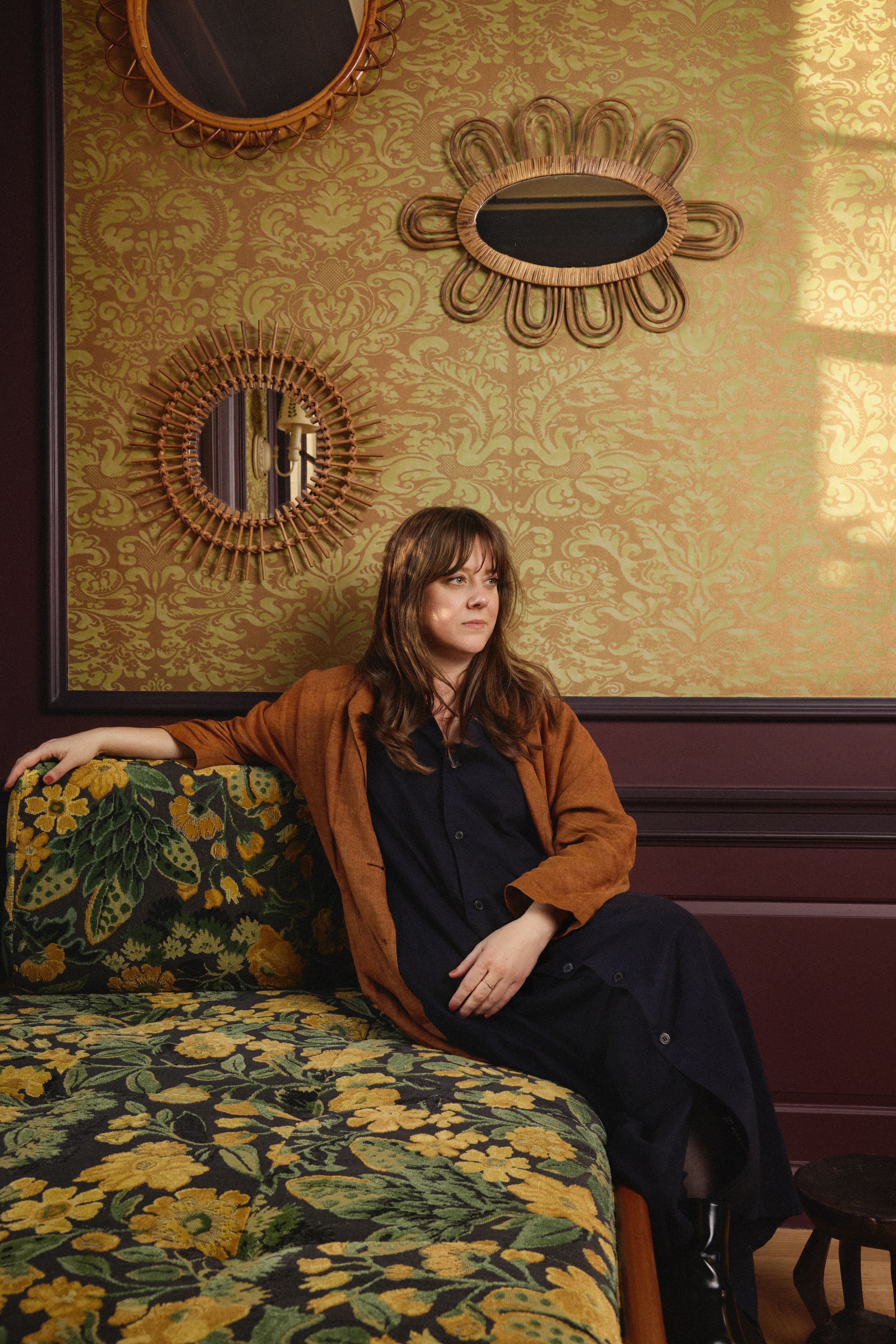
AD100 design firm and Top 40 on The Expert, Geremia Design designs commercial, residential, and event spaces in the San Francisco Bay Area. Lauren is a hands-on designer who draws on her fine arts background for concepts and designs. Lauren loves to blend eclectic modern materials, creating interiors that tell a story. Her designs incorporate unique pieces, including custom furniture created by friends and peers who are fabricators and artists.
Why do you love interior design?
Interior design provides me the flexibility to mix up my interests and to use my education in decorative arts, customer service, and fine art to create something meaningful. I love that I get to toggle between so many interests and passions, and that all that variety keeps me inspired and makes me better at what I do.
Describe your aesthetic in 3 words:
Fresh. Storied. Personal.
Where do you find inspiration?
Books, archives, library collections, films, art museums, furniture dealers, auctions—I’m always digging. I love learning about old things and forgotten makers, and finding threads from the past that can inform something new.
What is a design trend you're currently loving, and how are you using it in your work?
I don’t think any of us are completely immune to trends—no matter how hard we try, they sort of sneak into our consciousness. But I really try not to engage with trends. My intention is always very specific to the space itself; everything in a room should be in conversation with everything else.
If a room is brand new—fresh doors, trim, and finishes—I might layer in something with age, like a custom curtain made from vintage fabric. We tailor the character of aged or antique elements to what the room is actually asking for. For me, it’s less about trends and more about responding thoughtfully to the space’s needs and narrative.

What is one design “rule” or trick of the trade you always swear by?
Hope for the best, plan for the worst.
Tell us about your project with Ernesta – what was the vision, and how did the custom-sized rug bring it to life?
We bought a building a few years ago, and it feels like such a meaningful investment in our team—and in finally putting down roots after many years in San Francisco. Being able to hang our sign on our own shop is something we’re all proud of.
We’ve been making upgrades slowly, adding things that feel cozy and timeless as time and resources allow. For this space, we were inspired by the chic, neutral calm of Studio Mellone’s office. A natural, neutral rug feels timeless and gives us a quiet base where we can see and play with colors, patterns, and materials in the workroom. The custom size grounded the room in exactly the way we needed.

Kent in Flax
When you’re selecting or sizing a rug for a space, what factors do you always consider to get it just right?
I tend to like rugs that cover a lot of the floor. The size shifts depending on the room, but the important things are making sure doors swing smoothly and that furniture sits properly and squarely on the rug. We’ll often trim a rug around a fireplace hearth to maximize coverage and make the room feel as large and cohesive as possible.
How do you balance beauty and functionality in your work?
Functionality comes from a lot of computer-generated studying, modeling, and the systems our team uses to manage logistics and production. Personally, I try to stay in the world of drawing, painting, looking, learning, and connecting with vendors.
We’ve structured the studio so I can focus on conception and creativity, while the team creates the guardrails—systems, spreadsheets, and all the operational magic—that make the work actually happen. That balance keeps the work both beautiful and grounded.

What is your idea of great design?
I tend to assess design instinctively—it's that feeling of being drawn to a photo or a place or a moment. Lately I’ve been thinking about pre-photography design, when interiors were experienced more three-dimensionally: through events, hospitality, and all the senses.
I think great design in a home is an experience. It has to feel original, and it has to feel tailored to a specific person and a specific set of circumstances. From there, everything else is about suitability—budget, architecture, problem-solving. If you work within those realities with resourcefulness and good taste, then you’ve really achieved something.
What are you reading or watching right now?
I just listened to Adam Charlap’s podcast, which made me pull out my copy of "Apartamento: New York Living Rooms" by Dominique Nabokov. I admire what Adam does, and it’s refreshing to hear people get excited about the things I’m excited about.
I’ve also been reading a lot about flowers and gardening, and diving deep into drapery and upholstery details. I’m working through some admittedly dull sewing textbooks to sharpen my skills — but I’m enjoying it.
If you could design a home for one famous person / couple, who would it be?
I’m less drawn to a specific person and more drawn to a place with history. The recent Christie’s sale of Francis Elkins pieces made me wonder about homes in San Francisco that might still hold remnants of her work. Designing a project with traces of her interiors (something with real architectural or decorative history) would be a dream.
More about Lauren Geremia:
http://geremiadesign.com | @geremia_design


