Get free shipping with code FREESHIPJULYDetails
Transform Your Space by Choosing the Right Runner Rug
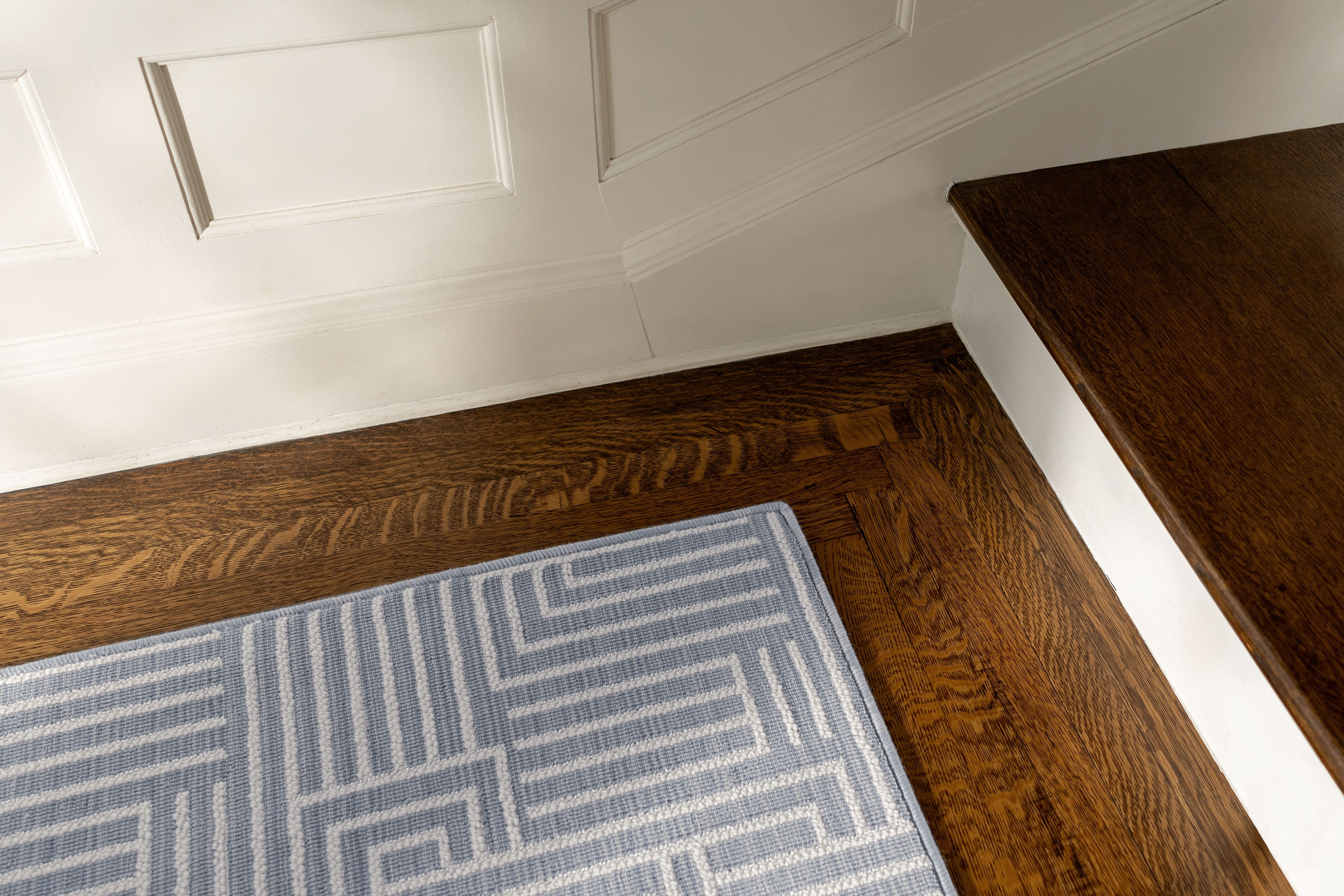
A caption
Why Runners are a Must-Have for Your Home
Not sure what to do with an entryway or hallway in your home? Show it some love by adding a custom runner rugs from Ernesta and transform this narrow space into a functional and sophisticated area of your home. Unlike cookie-cutter standard sizes, we deliver high-quality rugs that are tailored to fit your unique dimensions. In this comprehensive guide on how to choose a runner rug, we will give you the lowdown on how to choose the perfect runner for your space, including how to navigate sizing, materials, and maintenance. Wondering how to find the ideal length for an extra long hallway runner rug? Or what materials best suit high-traffic areas? We’ve got you covered! With Ernesta’s expert knowledge and our insider tips, you’ll gain the knowledge you need to choose a durable, stylish, and one-of-a-kind runner rug.
Benefits of Using a Runner Rug
They preserve your floors.
They may be gorgeous, but hardwood and tile are especially prone to everyday wear and tear. (Looking at you, kids and pets.) A runner rug is a practical and stylish way to get more longevity out of your floor by protecting it from scratches and other damage. Go custom with your sizing to cover as much floor as possible.
They add both comfort and style.
In addition to providing a soft surface underfoot, a runner rug can really brighten up a dark area of your space. “Runner rugs, with their ingenious long-and-skinny shape, are an obvious way to warm up hallways and corridors," writes Architectural Digest.
They reduce noise and promote calm.
A 2019 study found that chronic low-level noise exposure causes mental stress associated with known cardiovascular complications. Using a runner to absorb sound in a loud area of your home, like the entryway, is an investment in your long-term wellness and can instantly make your space more peaceful. Consider a nylon or wool rug to find the perfect runner rug to reduce noise. Their dense fibers aid in absorbing and dampening sound. And choosing a perfectly-tailored carpet means there will be less gaps where sound can escape, providing more effective noise cancellation.
They increase safety on stairs.
In 2022, stairs, ramps and landings contributed to more than 7 million emergency room visits and 36,338 deaths each year, according to the National Floor Safety Institute.
According to the NFSI, two of the major hazards are inappropriate stair surface materials which do not provide enough traction (i.e. hardwood and marble) and poor stair lighting. A runner makes your staircase safer by providing increased traction and providing a clear visual guideline. When choosing a runner for your staircase, proper sizing is critical to prevent further safety risks like carpet bunching and sliding. Ernesta can help you size the perfect runner for your staircase to enhance both safety and aesthetics.
They help define spaces.
They’re not just for hallways—runner rugs can be used to delineate different functional areas in a multi-purpose space. For a kitchen that doubles as a dining room, consider a runner under the dining table to emphasize the distinction between the cooking area and the eating area. Or if your bedroom also serves as a home office, using a runner to designate a work vs. play area can help you stay productive and mentally healthy. According to Psychology Today, those who set clear boundaries between work and home experience less conflict between the two domains. A custom runner rug can help you cleanly designate your workspace from your living space.
Shop Runner Rugs
See all


Essential Hallway Runner Rules for Your Home
Placement of Runner Rugs
Hallways
Runner rugs protect long stretches of floor from wear and tear while also adding warmth and visual interest to narrow spaces. Wondering how to choose a runner for a hallway? You’ll want to choose one that’s proportionate to the space. If your hallway is long and wide, consider using a longer runner or even two matching/sibling runners. Choose a hallway runner that unifies your space by opting for a color or pattern that compliments the textiles you’ve chosen for adjacent rooms. As for fabric choice, a runner in wool or polypropylene will guarantee longevity. Q: How do you use runner rugs in a long wide hallway? A: In a long, wide hallway, use a runner that's at least two-thirds the length of the hallway, ensuring enough width to leave a margin of floor visible on either side. Our hallway runner rule is to leave 4-6 inches of flooring visible on either side of the rug to create visual balance.
Kitchen
On your feet a ton in the kitchen? Place a rug in front of high-traffic areas like sinks or counters to prevent fatigue and discomfort. It’ll also make your life easier by sparing your floor from stains, spills and general kitchen chaos. When choosing a runner, prioritize durability by selecting a low-maintenance, easy-to-clean fabric like synthetic or cotton fibers, or even a rug meant for outdoor use. Ultimately, the right runner should enhance your kitchen’s comfort as well as style.
Stairs
If your staircase is wood or marble, a runner can help increase traction, minimize slips and protect from scuff marks. When installing a runner for your staircase, securely fasten the rug to your staircase with adhesive tape or staples to prevent sliding or bunching, which pose both aesthetic and (more importantly!) safety concerns. The staircase is a high-traffic area, and durable materials like wool and synthetics are up for the challenge. For visual balance, leave about an inch of bare stairs visible on either side—and if that’s not possible with a standard size runner, find the perfect fit for your staircase with a custom rug from Ernesta.
Stairs
Transform your laundry room into an inviting space with a runner rug that adds both comfort and texture. Not only does a runner soften the floor, but it can also help reduce noise. According to the Hearing Health Foundation, carpets can absorb up to 40 percent of the sound that strikes its surface, making your laundry room quieter and more pleasant to work in.
Bedroom/Bedside
If you’re using the bed as a guideline on where to place your runner, it should extend 6 to 12 inches beyond the bed’s edge to create a pathway. Consider two runners that frame the bed to create symmetry, or place one in front of a closet/mirror to designate a dressing area. Natural fibers like wool, cotton, or jute provide comfort underfoot and are especially adept at absorbing low-frequency sounds like footsteps or voices.
Open Floor Plan
In open-concept spaces, runners can be used like room dividers to create visual boundaries and define different zones. Consider using runners with patterns—they help break up large expanses of floor and introduce a dynamic element to the design.
Bathroom
A runner rug can effortlessly enhance your bathroom’s warmth and style. When selecting a rug, consider how much space you have. It should fit neatly along the vanity or shower, leaving a few inches of floor visible on either side for balance.
Opt for moisture-resistant, stain-resistant materials like nylon or polypropylene. These options are durable, easy to clean, and perfect for handling bathroom moisture and spills.
How to Size Your Runner Rug Perfectly
Measure Your Space
The first step to choosing the perfect runner rug size for your space is to measure your space thoroughly and accurately. Remember to account for door clearance and accommodate any built-in fixtures of your space (like a toilet or sink in your bathroom). A common mistake when choosing a hallway runner rug is selecting a rug that’s too long for your space, which disrupts traffic and creates other functional and aesthetic issues.
What size is a runner rug? They typically range 2-3 feet in width and 6-14 feet in length. But every space is unique, and if these dimensions don’t work for you, consider a custom-size rug. With Ernesta, you can tailor the size of your runner down to the inch, ensuring the perfect fit.
When measuring for a perfect hallway runner rug, leave 4 to 6 inches of exposed floor space for a balanced look. Record measurements from several different spots of your room/hallway to ensure that the rug you choose fits perfectly and compliments the space.
General Sizing Rules
When sizing for a runner rug, remember to work with, not against, the dimensions of your space. Follow these general sizing rules to create a polished and functional interior.
Hallways
When selecting the right runner rug size for your hallway, it’s important to work with the size of your hallway to ensure a balanced look. A good rule for a narrow hallway is to leave 4-6 inches of flooring exposed on all sides of the rug. This prevents the rug from overwhelming the space and maintains a polished appearance. As for the length of your hallway, the runner should extend the full length but stop just before entering the next room to create a seamless transition. If your space is particularly long or has unique dimensions, a custom-sized runner rug can provide the perfect solution, ensuring the rug complements the overall layout without disrupting foot traffic.
Stairs
When sizing a stair runner, ensure that the rug covers the middle part of each step, leaving a one-inch border of staircase visible on either side to provide balance. Stair runners generally come in widths of 27, 30 or 36 inches, but these might not always work with your dimensions. By choosing a custom-sized runner for your staircase, you’re prioritizing both safety and style.
Kitchen and Laundry
To size a runner for your kitchen or laundry room, measure the length of the entire workspace from end to end and choose a runner that covers the floor in front of it. A properly-sized runner in a durable material will protect your floors and enhance comfort while you’re on your feet doing chores.
Bedroom
A runner for your bedroom should extend 6 to 12 inches past the bed. This rule ensures an elegant look as well as a comfortable area to step onto when you’re getting up in the morning. If you’re putting it in a hallway leading to the bedroom, follow our hallway runner rules.
Matching/Sibling Runners
When putting two runners in a hallway or other high-traffic area of your home, keep things symmetrical and uniform by ensuring they’re the same length, equidistant from the walls, and centered in the hallway. Leaving a small gap of exposed floor between the runners can also keep your hallway looking tidy and ensure that their edges are aligned. If you’re considering runners with prints, make sure the patterns are not misaligned, which creates visual noise.
Best Materials and Construction for Runner Rugs
Materials
When selecting hallway runners for high foot traffic areas, it’s important to choose durable and easy-to-maintain materials. Different fibers offer unique benefits depending on the space and environment.
Check out our blog post on Rugs for High-Traffic Areas for a comprehensive guide on choosing rugs for high-traffic areas, including material-specific recommendations for every room.
Here’s a quick overview of some popular material options:
Wool: Naturally durable and stain-resistant, wool is ideal for high-traffic spaces like entryways and hallways, where its softness and insulation provide comfort underfoot.
Sisal: A tough, eco-friendly option that works well in living rooms or home offices, but should be avoided in areas exposed to moisture, like kitchens or bathrooms.
Nylon: This synthetic fiber is known for its resilience, making it perfect for busy kitchens, hallways, or stairs where durability and easy maintenance are key.
Polypropylene: Best for kitchens, patios, or outdoor spaces, polypropylene is non-absorbent and highly stain-resistant, offering a cost-effective solution for high-traffic areas.
Construction Types
The construction of a runner rug impacts its durability, style, and maintenance. For a more detailed breakdown of rug construction methods, visit our blog on Rug Construction Types.
Here’s a brief look at popular options:
Hand-Loomed: High-quality, artisanal rugs that offer durability and unique craftsmanship.
Flat-Weave: Thin, easy-to-clean rugs perfect for high-traffic areas.
Machine-Made: Affordable and durable, available in a wide variety of styles.
Important Runner Rug Considerations for Every Home
Using a rug pad is essential for keeping your hallway runners in place, providing both safety and comfort. A well-chosen rug pad prevents slipping, minimizes wear, and adds cushioning, making your rug feel more comfortable underfoot. Ernesta offers four customizable rug pad options, ensuring that every runner stays securely in place, whether indoors or outdoors.
Here’s a quick look at Ernesta’s rug pad options:
Indoor Attached: Ideal for preventing slipping and edge curling, especially with thinner rugs.
Indoor Detached: Perfect for heavier rugs that naturally stay in place.
Outdoor Attached: Adds cushion and grip, keeping outdoor runners secure and flat.
Outdoor Detached: Designed with grip on both sides, this option works well for smaller rugs in high-traffic areas.
For easy maintenance, all rug pads are crafted from materials that can be vacuumed or spot-cleaned, ensuring long-lasting functionality.
How to keep your runner rug in place: A properly sized rug pad is the best way to ensure your runner rug stays in place. Be sure to select a rug pad that matches the dimensions of your rug and is designed for the intended environment, whether indoors or outdoors.
Easy Maintenance
Keeping your hallway runner rug looking fresh is simple with the right maintenance routine. Regular vacuuming, immediate spot-cleaning for spills, and occasional deep cleaning are usually enough to keep your rug in top shape.
For more detailed care instructions and material-specific tips, check out our Rug Care Guide.
Expert Tips for Choosing and Styling Runner Rugs
Seasonal Trends and Popular Styles
According to Homes and Gardens, some of 2024's top rug trends are earth tones, diverse textures, sustainability, and stripes.
You should incorporate these trends while keeping the realities of your lifestyle in mind. For instance, introduce sustainability to your décor by choosing a runner made from durable wool or sisal fibers. Or add an element of texture to your home by making a hand-loomed runner the centerpiece of a space.
Coordinating Runner Rugs with Existing Décor
When choosing a runner rug style for a space you’ve already decorated, consider the existing vibe, the functional needs of the space, and how you want your runner to tie it all together. Maybe it’s a high-traffic area with a neutral, minimalist style—a sisal rug would blend seamlessly into the décor, while a nylon option in a bold pattern would add a pop of color. Or, if you’re wondering what the right runner rug you should use with Oriental rugs, a flat weave rug option would provide a chic textural contrast. For the perfect runner to complete an existing room, consider an Ernesta custom rug.
Flatweave Rugs
See all


Conclusion: How to Choose a Runner Rug
Choosing the right runner rug can transform any high-traffic area in your home, whether it’s a hallway, kitchen, or stairs. By selecting the right runner rug size and material, you can protect your hardwood floors, reduce noise, and add style to any room. From wool to sisal and nylon, there are plenty of durable options that fit your lifestyle and space.
Remember, a good rule is to always consider the amount of foot traffic and your room’s layout when choosing a rug. Whether you're looking for the perfect hallway runner or a durable solution for your kitchen, Ernesta’s customizable options allow you to tailor your runner rug to your exact needs and preferences.
Ready to find the ideal runner for your home? Explore our wide range of custom runner rugs on our website today.
Frequently Asked Questions
Should my area rug and runner match?
If you’re a traditionalist, sure, go for a perfect match! Identical area rugs and runners go a long way to reinforcing one consistent theme or motif throughout your home. But if your vibe is more eclectic, opt for rugs in different colors, patterns and textures to flex your creativity and maximize visual interest.
What's the safest type of runner rug for stairs?
A low pile rug choice in a durable material is the GOAT for stair runners because it facilitates stable foot placement and minimizes dirt tracking. Ultimately, the safest type of runner rug for stairs is a custom-sized runner that’s been properly installed. Loose or poorly fitted runners can bunch up, move, and lead to accidents.
What type of rug runner for wood floors?
Optimally, you want a runner that will protect the wood from scuffs and dings and withstand a high volume of foot traffic. That’s why the ideal runner for a wood floor is a flat-weave design in a stain-resistant and durable fabric, held in place with a properly-fitted rug pad.
How to stop a runner rug from fraying?
By anchoring it in place, a rug pad prevents runner rugs from fraying. It also provides an extra layer of cushioning that reduces friction between the rug and the floor. Regular maintenance like vacuuming and spot cleaning also help stave off signs of wear like fraying—pay extra attention to the edges or fringes, where dirt tends to gather.